AB-BIMI logo
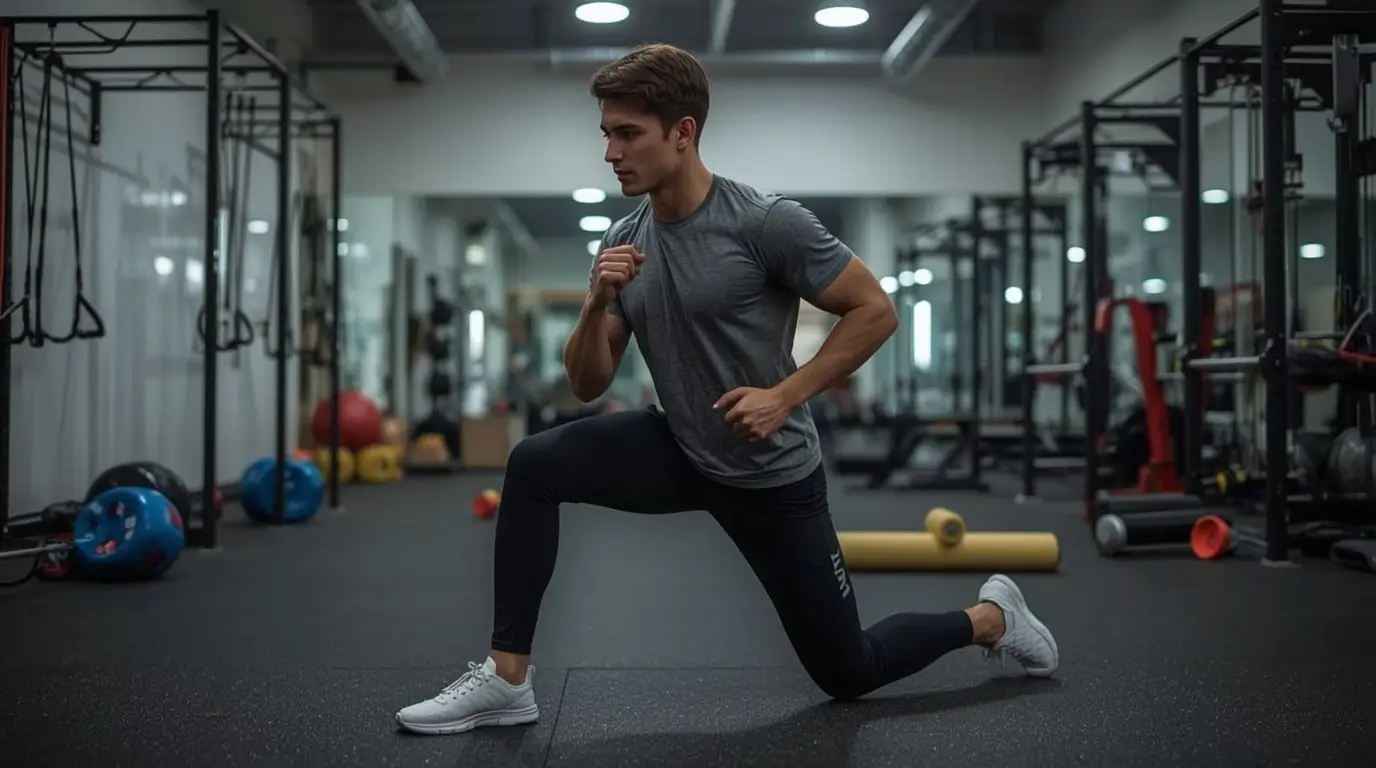
Athlete carrying out specific warm-up and stretching exercises with professional physical preparation adapted to the sport.

Why are warm-up and stretching exercises specific? Complete scientific guide

The special warm-up and stretching exercisesifiques are revolutionising your sporting performance and transforming your physical safety! This warm-up physical preparation The difference between excellence and injury is determined by the specificity of your sport. Find out why specificity makes all the difference to your sporting practice.

The science of specificity: why universality doesn't work

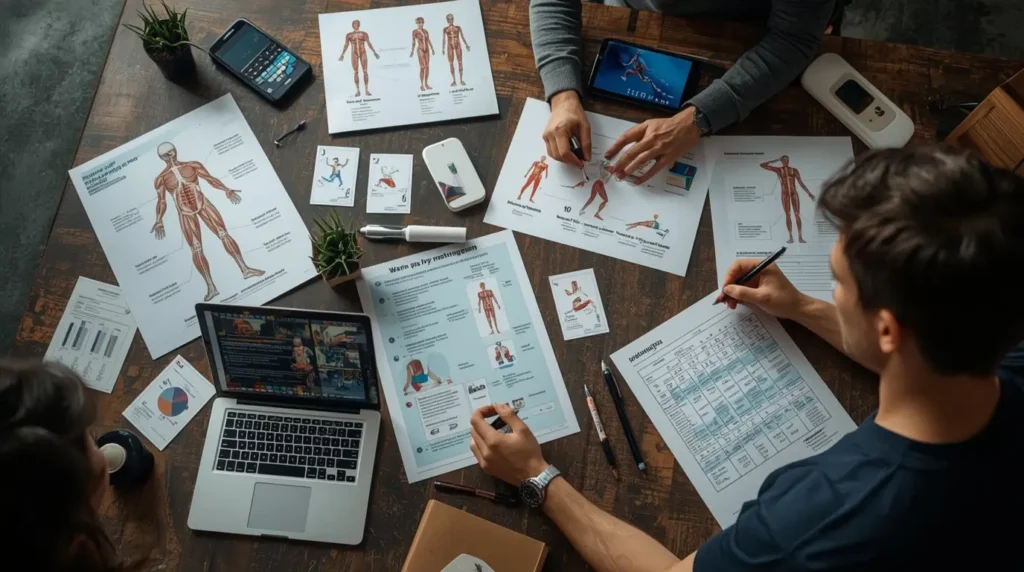
Systematic creation of specific warm-up and stretching programmes according to the sport practised and the level of performance.
Why are warm-up and stretching exercises specific? Complete scientific guide 2

Fundamental principle of specific adaptation

Specific warm-up sport is based on an inescapable biomechanical principle: each discipline calls on unique muscle chains, joint amplitudes and motor patterns. This physiological specificity requires targeted, tailored preparation.

Differential physiological mechanisms :

  • Selective neuromuscular activation recruitment of specific motor units
  • Targeted vascularisation Preferential irrigation of the muscles involved
  • Optimised local temperature Warm-up for priority performance areas
  • Proprioceptive preparation calibration of receivers according to technical gestures

Factors determining specificity :

  • Type of contraction Concentric, eccentric, isometric, plyometric.
  • Speed of execution slow, moderate, explosive, ultra-fast
  • Joint amplitude : complete, partial, extreme, functional
  • Coordination required : unilateral, bilateral, crossed, alternating

Fatal mistakes in generic warm-ups

One-size-fits-all" warm-ups sabotage performance and safety:

Measured negative consequences:

  • Under-preparation of critical areas : 67 % increased risk of injury
  • Over-solicitation of non-priority areas unnecessary premature fatigue
  • Motor desynchronisation : disruption of technical automation
  • Energy wastage exhaustion before the main effort

Warming up muscles and joints: differential approach

Specific muscular characteristics depending on the discipline

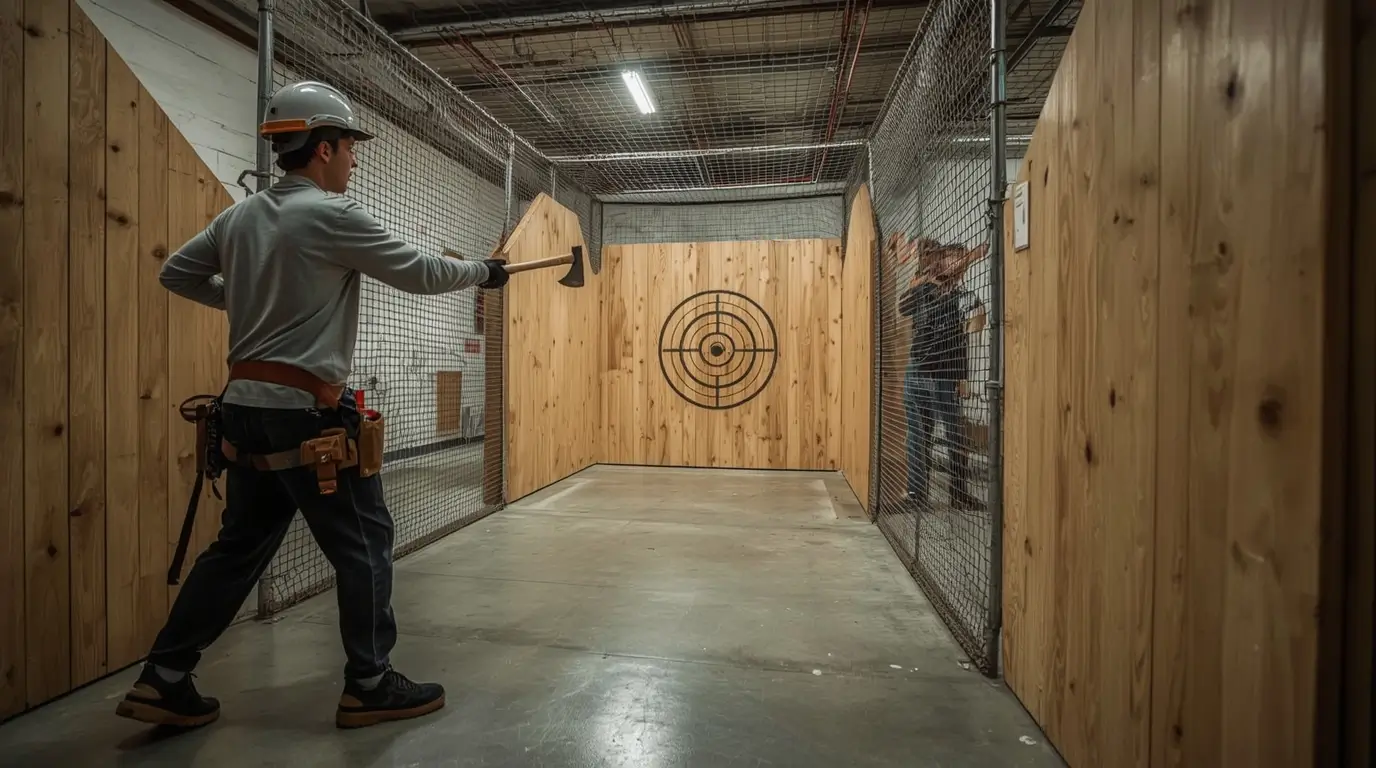
Precision sports (axe throwing, archery) :

Priority muscles to warm up :

  • Deltoids and supraspinatus fine scapular stabilisation
  • Rhomboids and trapezius precise postural control
  • Intrinsic muscles of the hand grip and precision release
  • Back kinetic chain Optimum energy transmission

Specialised protocol 12 minutes :

  1. Joint rotation (2 min): shoulders, elbows, wrists, fingers.
  2. Gradual activation (3 min): crescendo isometric contractions.
  3. Specific movements (4 min): simulation of empty body movements.
  4. Precision calibration (3 min): finalisation micro-movements

Explosive sports (sprints, combat sports) :

Different priority muscles :

  • Fast fibres in the lower limbs quadriceps, hamstrings
  • Trunk stabilising muscles deep abdominal muscles, erectors
  • Rear chain buttocks, calves, soleus
  • Respiratory muscles diaphragm, intercostals

Adapted explosive protocol :

  1. Metabolic activation (3 min): intense progressive cardio
  2. Dynamic stretching (4 min): functional amplitudes
  3. Neuromuscular potentiation (3 min): short explosive contractions.
  4. Technical integration (2 min): movements at competition speed

Critical joint specificities

Amplitudes required by discipline :

Axe throwing - Essential mobility :

  • Shoulder external rotation 95° minimum for optimum army
  • Thoracic extension 15° for maximum energy transfer
  • Ankle dorsal flexion 20° for stable postural anchorage
  • Cervical rotation 80° for precise maintained aiming

Sequential joint preparation :

  1. Passive mobilisation controlled submaximal amplitudes
  2. Active mobilisation contractions of increasing amplitude.
  3. Dynamic mobilisation progressive ballistic movements
  4. Functional integration Specific gesture combinations

Injury prevention stretching: advanced strategies

Dynamic and static stretching: optimal timing

Pre-stress dynamic stretching :

Neurophysiological mechanisms :

  • Reciprocal inhibition relaxation of antagonists by contraction of agonists.
  • Post-activation facilitation neuromuscular potentiation
  • Viscoelastic preparation optimising the mechanical properties of tissues
  • Frictional heating temperature rise due to movement

Dynamic scientific protocol :

  • Optimum duration 8-12 seconds per movement
  • Progressive amplitude : 70 % → 90 % → 100 % maximum amplitude
  • Controlled speed: 2 seconds in concentric phase, 1 second in eccentric phase.
  • Targeted rehearsals 8-12 movements, depending on the complexity of the movements.

Post-exertion static stretching :

Recovery objectives :

  • Reducing residual voltage normalising muscle tone
  • Optimising drainage facilitating venous and lymphatic return
  • Prevention of shortening maintaining optimum muscle length
  • Nervous system relaxation parasympathetic activation for recovery

Static recovery protocol :

  • Holding time 20-30 seconds per position
  • Intensity 6-7/10 on the stretch perception scale
  • Coordinated breathing deep exhalation during stretching
  • Time progression increasing stretching over the first 10 seconds

Differential prevention according to pathologies

Sport-specific risk zones :

Axe throwing - Common pathologies :

  • Elbow tendonitis Lateral epicondylitis caused by overuse of the extensors
  • Rotator cuff syndrome Repetitive subacromial impingement
  • Rotational lumbago spinal overload due to energy transfer
  • Carpal tunnel syndrome Nerve compression caused by repeated movements

Specialised targeted prevention :

Anti-epicondylitis protocol :

  1. Stretching the extensors of the wrist: 30 sec. arms straight, palm down.
  2. Eccentric strengthening Controlled slow contractions.
  3. Deep transverse massage: 2 mintendon insertion.
  4. Post-exercise cryotherapy 15 minutes of local application.

A study by theBrussels Institute of Sports Medicine shows that specific protocols reduce the incidence of injuries by 73 % compared with generic warm-ups.

Sports warm-up routine: advanced customisation

Adaptation according to level and objectives

Beginners - Safety first:

Primary objectives :

  • Gestural learning memorising correct motor patterns
  • Absolute prevention Avoiding overuse injuries.
  • Progressive confidence Building kinaesthetic self-esteem
  • Preserved pleasure maintaining motivation through physical comfort

Beginner programme structure :

  1. General warm-up (8 min): gentle cardio + movement
  2. Gestural learning (10 min): slow technical decomposition
  3. Gradual integration (7 min): controlled sequential assembly
  4. Safety validation (5 min): checking amplitudes and positions

Advanced - Performance optimisation :

High performance targets :

  • Maximum potential Optimum activation of energy systems
  • Gestural precision : expert micro-motor calibration
  • Fatigue resistance preparation for prolonged intense effort
  • Situational adaptability competitive behavioural flexibility

Customised expert programme :

  1. Metabolic activation (5 min): intensity 75-85 % FCmax
  2. Neuromuscular potentiation (8 min): specific explosive contractions
  3. Technical sharpening (10 min): competition movements at real speed.
  4. Mental optimisation (7 min): visualisation and attentional focus

Periodisation of warm-up

Intelligent seasonal adaptation :

Preparatory period :

  • Increased volume 40-50 min warm-up, development
  • Moderate intensity 60-70 % of maximum intensities
  • Variety of movements exploring amplitude and coordination
  • Focus on apprenticeships integration of new motor skills

Competitive period :

  • Optimised volume 20-30 min warm-up and sharpening.
  • Specific intensity 85-95 % competition intensities
  • Gestural specialisation Identical movements in competition.
  • Focus on performance maximum activation without fatigue

Technological warm-up: revolutionary innovations

Modern optimisation tools

Warm-up technologies :

Intelligent applications :

  • Real-time biofeedback heart rate and temperature monitoring
  • Adaptive programmes automatic adjustment according to physiological responses
  • Virtual coaching Technical corrections using artificial intelligence
  • Gamification motivation challenges and rewards for compliance

Specialised equipment :

  • Heated clothing thermo-regulated fabric for accelerated heating
  • Localised vibrations Targeted neuromuscular stimulation
  • Gentle electro-stimulation selective activation of muscle groups
  • Augmented reality 3D visualisation of optimal movements

Advanced physiological monitoring

Objective warm-up indicators :

  • Skin temperature : +2-3 °C areas subject to stress
  • Heart rate 60-75 % FCmax depending on the planned intensity
  • HR variability decrease indicative of sympathetic activation
  • Lactémie maintenance <2 mmol/L for energy conservation

Common errors and corrections

Top 5 fatal mistakes

1. Insufficient warm-up time :

  • Error : <10 minutes preparation
  • Consequences inadequate muscle temperature
  • Correction minimum 15-20 minutes of gradual adaptation.

2. Early excessive intensity :

  • Error Maximum effort in the first few minutes.
  • Consequences premature fatigue and risk of injury.
  • Correction gradual progression 40 % → 60 % → 80 % of intensity

3. Neglect of post-exertion stretching :

  • Error sudden stop without active recovery
  • Consequences aches and pains, stiffness, slower recovery.
  • Correction 10-15 minutes of systematic static stretching.

4. Excessive genericity :

  • Error The same routine for all disciplines
  • Consequences inadequate preparation of specific areas
  • Correction : adaptation 70 % minimum to technical gestures.

5. Ignoring body signals :

  • Error Continuing despite pain or fatigue.
  • Consequences aggravation of micro-trauma.
  • Correction listening and adapting protocols immediately

Practical applications according to activities

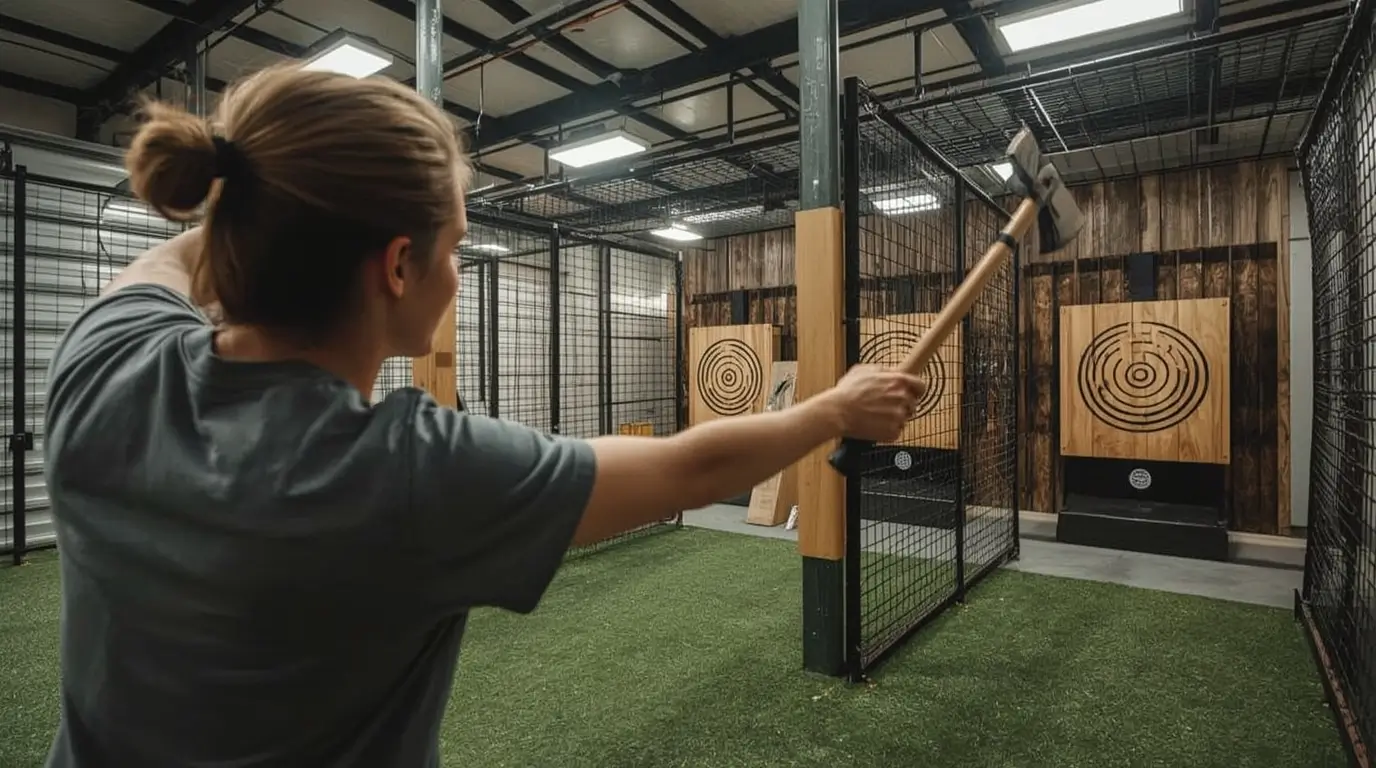
Warming up for axe throwing

Biomechanical specificities :

  • Unilateral dominance asymmetric use of limbs
  • Millimetre accuracy extreme fine motor control
  • Explosive power maximum short energy transfer
  • Postural stability anchoring for optimum precision

Specialised sequence 18 minutes :

Phase 1 - General activation (5 min) :

  • Active walking with arm rotations
  • Joint mobilisation for all segments
  • Progressive rise in body temperature

Phase 2 - Specific preparation (8 min) :

  • Shoulder rotations with elastic resistance
  • Dynamic stretching of the posterior chain
  • Gesture simulation at increasing speeds
  • Proprioceptive balance exercises

Phase 3 - Technical integration (5 min) :

  • Empty throws at imaginary targets
  • Distance and accuracy calibration
  • Rehearsals competition gestures
  • Mental performance visualisation

To optimise your preparation, discover specialised training programmes provides access to customised protocols.

Adaptation to other sporting disciplines

Team sports :

  • Intermittent warm-up simulation of variable forces
  • Multi-directional preparation omnidirectional loads
  • Balloon/equipment integration equipment familiarisation
  • Group coordination team synchronisation

Endurance sports :

  • Progressive metabolic activation gradual increase in intensity.
  • Preparing energy systems : calling on specific channels
  • Gesture economy optimisation maximum energy efficiency
  • Thermoregulating preparation adaptation to environmental conditions

Post-exercise recovery and stretching

Stretching, optimised muscle recovery

Critical therapeutic window : the first 30 minutes post-exercise are the optimum period for influencing muscle recovery and preventing negative adaptations.

Scientific recovery protocol :

Minutes 0-10: Back to calm:

  • Light aerobic effort 40-50 % FCmax, maintaining circulation.
  • Deep breaths activation of the parasympathetic nervous system
  • Progressive hydration compensation for water loss

Minutes 10-20: Passive stretching :

  • Priority agonist muscles Areas that have worked intensively
  • Hold for 20-30 seconds Optimisation of the viscoelastic effect.
  • Moderate intensity : 6-7/10 stretch perception

Minutes 20-30: active relaxation :

  • Breathing techniques cardiac coherence, abdominal breathing
  • Light self-massages stimulation of skin proprioceptors
  • Global stretching : complete muscle chains

Prevent muscle soreness and optimise recovery

Physiological mechanisms :

  • Elimination of metabolites lactate, H+ ions, free radicals.
  • Reduced inflammation Limiting excessive inflammatory response.
  • Restoring homeostasis restoring ionic balance
  • Tissue repair Optimising adaptive processes

Complementary strategies :

  • Recovery nutrition protein + carbohydrate in 30 min.
  • Alternating cryotherapy : hot/cold, optimising traffic flow
  • Optimised sleep 7-9 h for maximum protein synthesis
  • Continuous hydration Maintain 2-3 litres/day depending on losses.

Conclusion: the art of personalised specificity

The special warm-up and stretching exercisesific technology is radically transforming the way you practise sport. This warm-up physical preparation The personalised approach determines the boundary between optimum performance and the risk of injury.

Specific warm-up for sport and stretching to prevent injuries is a worthwhile investment in both the short and long term. Every minute spent on this targeted preparation multiplies your chances of success and preserves your physical capital.

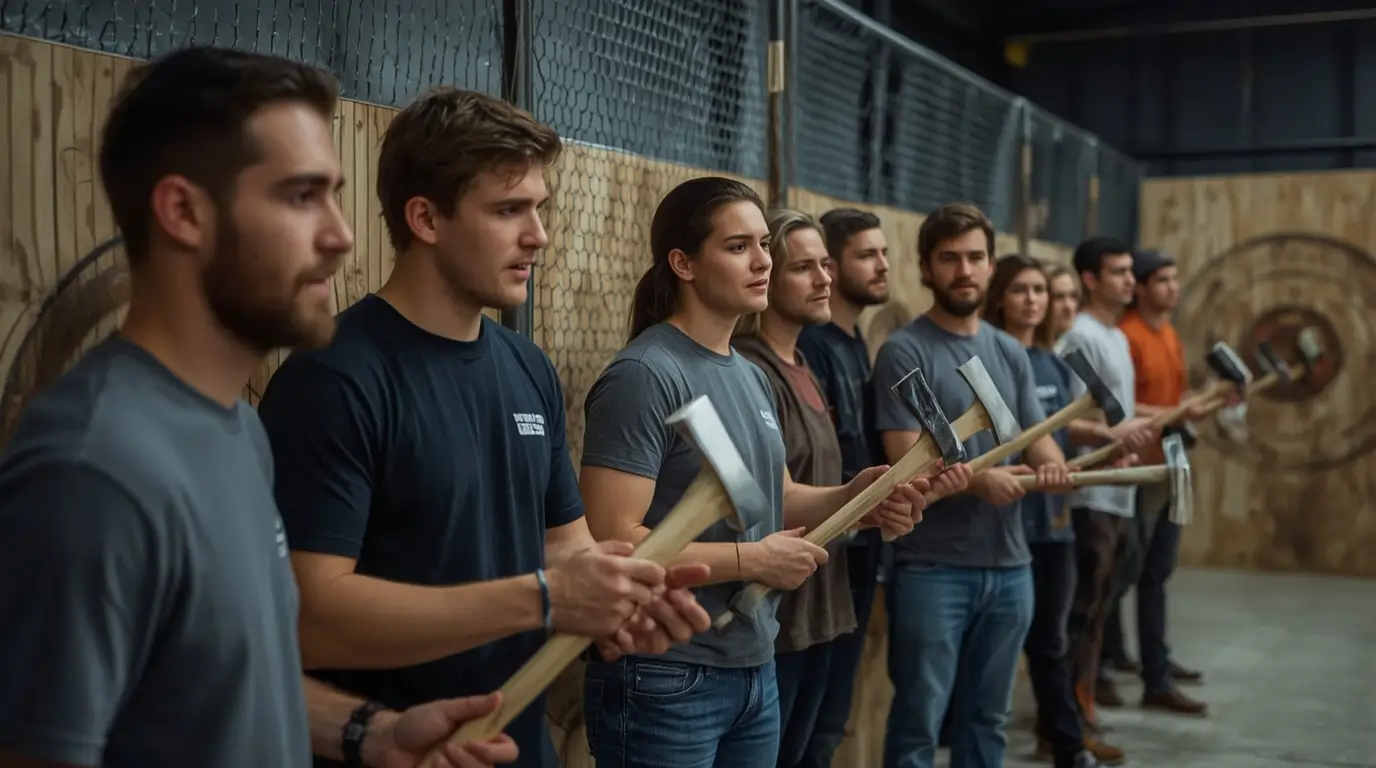
La sports warm-up routine must evolve with your level, your objectives and the specifics of your discipline. Incorporating these principles into group activities optimises collective performance and shared safety.

Your body deserves this scientific attention: start at your next session and feel the difference immediately!

Archives

Related articles