AB-BIMI logo
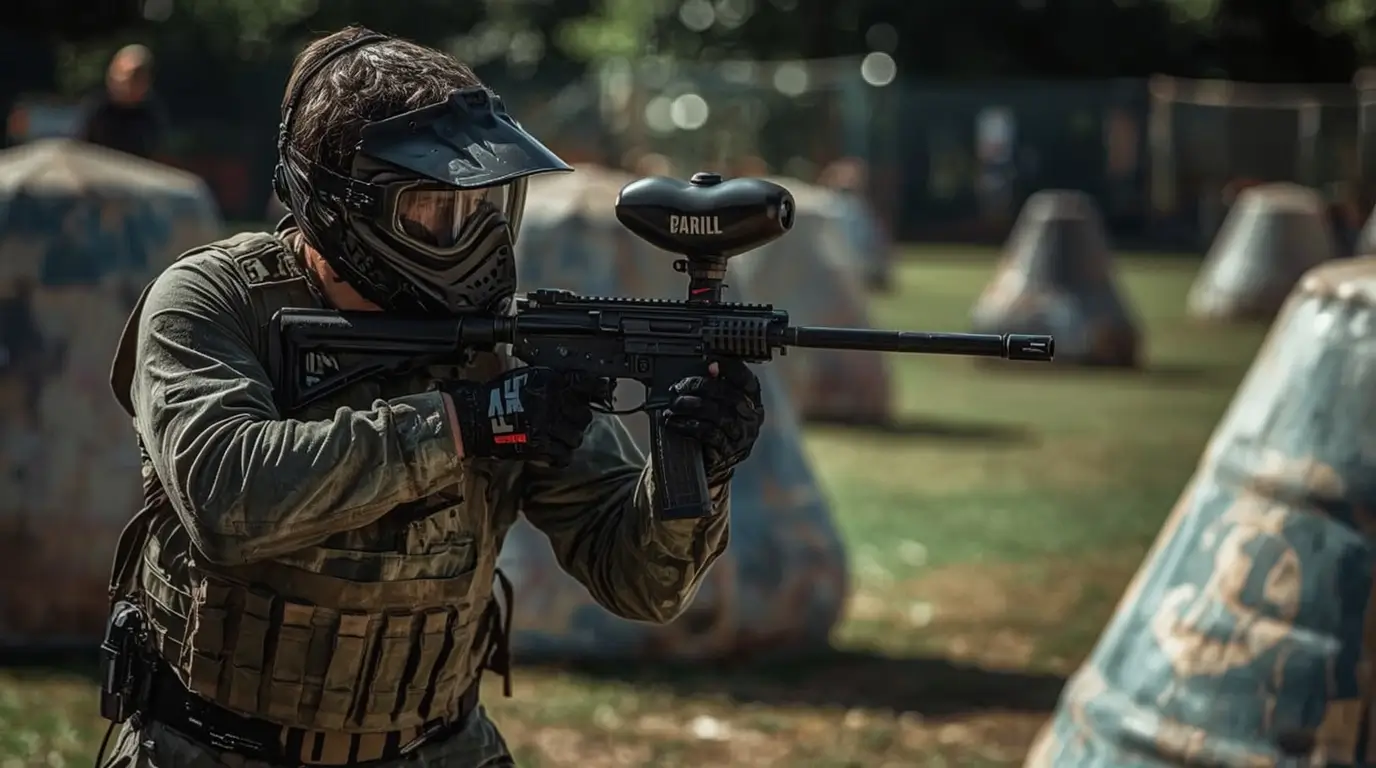
Expert shooter demonstrating precision paintball aiming techniques with professional equipment and optimal tactical positioning.

Tips for aiming accurately in paintball: become an expert marksman

Master the tips from champions to aim accurately in paintball ! These secret precision paintball shooting will transform your performance and make you the fearsome sniper your opponents will fear. From paintball sight and rsights and aiming techniques paintball discover the complete arsenal you need to dominate every game.

Fundamentals of precision: the science of the perfect shot

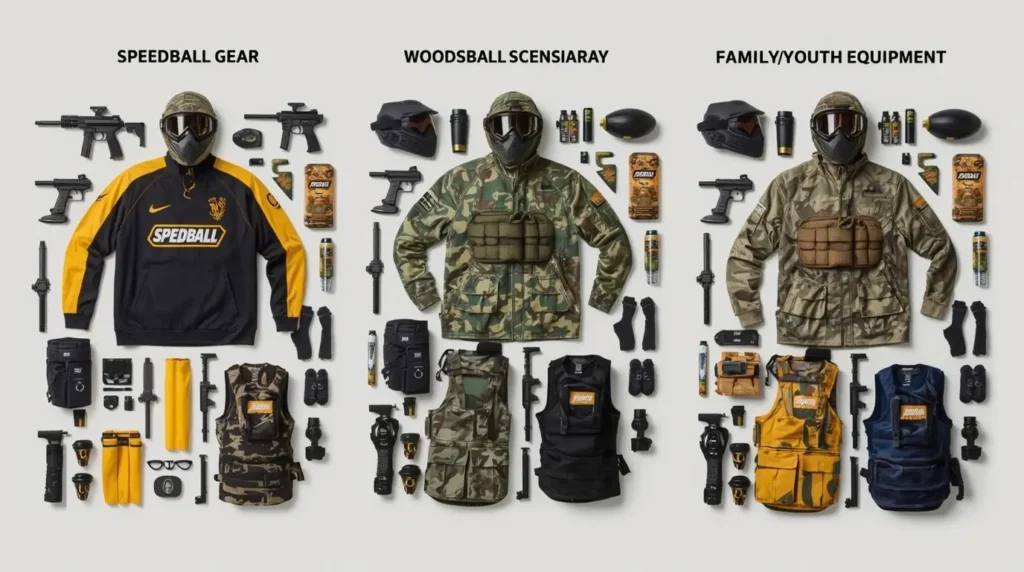
Professional precision paintball equipment with sight adjustment demonstration and advanced technical calibration.
Tips for aiming accurately in paintball: become a sniper 2

Understanding paintball ballistics

Tips for aiming just right paintball begins with a thorough understanding of the physics of the projectile. Unlike traditional firearms, paintballs are subject to specific influences that affect their trajectory.

Essential ballistic factors :

Optimum speed :

  • Standard speed 280-300 fps (feet per second)
  • Crucial regularity maximum variation ±5 fps
  • Impact on precision 10 % speed variation = 40 % loss of precision
  • Regular calibration chronograph check is compulsory.

Gravitational influence :

  • Parabolic fall 15 cm to 30 metres
  • Vertical compensation distance adjustment
  • Arc of trajectory ballistic curve control
  • Optimum point of impact precise calculation according to range

Aerodynamic resistance :

  • Drag coefficient 0.47 for perfect sphere
  • Ball deformation impact on flight stability
  • Projectile quality critical roundness factor
  • Atmospheric conditions wind, humidity, temperature

Physiology of aiming: body and mind in sync

For theimprove, Precision Paintball requires perfect harmony between body mechanics and mental concentration.

Optimal anatomical alignment :

  • Ocular dominance identification of the essential directing eye
  • Head position natural alignment without cervical tension.
  • Cheek support constant, reproducible contact mask
  • Controlled breathing Shooting synchronised with breathing cycle

Optimising equipment: technology for precision

Paintball sight adjustment: technological mastery

Le paintball sight adjustment is the crucial interface between your intentions and the reality on the ground. Every detail counts in achieving perfection.

Types of professional viewfinders :

Red Dot: IPX7 lens and waterproofing are key features.

  • The frontages include rapid acquisition and binocular vision.
  • Settings brightness 11 levels, zero parallax 50 m
  • Use CQB and close involvement.
  • Maintenance lens cleaning, IPX7 waterproofing

Holographic :

  • Technology laser projection on screen
  • Field of vision unlimited panoramic view
  • Reticles multiple adaptive patterns
  • Autonomy 1000+ hours of continuous use

Optical scope :

  • Magnification : 1-4 x variable according to distance
  • Clarity HD multi-layer lenses
  • Parallax precise adjustment according to range
  • Durability shock and weather resistance

Expert calibration: millimetre accuracy

The professional zeroing procedure begins with phase 1 - Preparation (15 minutes):

Phase 1 - Preparation (15 minutes) :

  1. Temperature stabilisation equipment at ambient temperature
  2. Mechanical check screw tightening, rail alignment
  3. Optical cleaning impeccable lenses and reticle.
  4. Chronograph test constant velocity validation

Phase 2 - Initial zeroing (30 minutes): adjustments required for accuracy.

  1. Reference distance 15 metres for basic calibration
  2. Stable position Fixed support, controlled breathing.
  3. 5-shot group Initial dispersion assessment
  4. Progressive adjustments : precise gradual corrections

Phase 3 - Distance validation (45 minutes) :

  1. 25-metre test Confirmation of the intermediate trajectory
  2. Validation 40 metres maximum effective range
  3. Variable conditions wind/light adaptation
  4. Documentation Optimum settings are saved

Advanced aiming techniques: tactical expertise

Paintball technique: professional methods

Targeted techniques paintball experts integrate biomechanics, psychology and tactics for maximum efficiency.

BRASS method (Breathe, Relax, Aim, Slack, Squeeze) :

B - Breathe :

  • Deep breath optimal oxygenation of the brain
  • Controlled exhalation Stabilising the heart rate
  • Natural apnea 3-5 seconds shooting window
  • Synchronisation movement/breathing coordination

R - Relax :

  • Muscle relaxation elimination of parasitic voltages
  • Natural position A body that feels at ease without constraint.
  • A calmer mind concentration without undue stress
  • Fluidity of movement harmonious coordinated movement

A - Aim :

  • Visual alignment perfectly aligned reticle/target/eye
  • Priority focus reticle rather than target
  • Peripheral vision : distraction-free environmental awareness
  • Image stability minimising natural oscillations

S - Slack: preparation for the trigger and adjustment of the playing mechanism.

  • Relaxation preparation : catching mechanism game
  • Progressive pressure : regular rise in blood pressure.
  • Breaking point Anticipation of the optimum tee shot
  • Timing control Perfect timing, perfect moment.

S - Squeeze :

  • The pressure to sayThe finger must be held perpendicular to the trigger.
  • Fluid movement Continuous, smooth action.
  • Controlled surprise A predictable but natural start.
  • Movement tracking post-pull maintenance

Paintball shooting angle: tactical geometry

L'paintball shooting angle depends on a host of environmental and tactical variables that need to be perfectly controlled.

Advanced angular calculations :

Gravitational compensation :

  • Basic formula Drop = (g × t²) / 2
  • Distance 20 m: compensation +2 cm
  • Distance 30 m: compensation +7 cm
  • Distance 40 m: compensation +15 cm

Crosswind management :

  • Wind speed 10 km/h 3 cm deviation at 30 m
  • Wind speed 20 km/h 8 cm deviation at 30 m
  • Environmental reading observation natural indicators
  • Dynamic compensation real-time adjustment

Elevation shooting :

  • Upright angle reduction in apparent range
  • Downward angle increase in effective scope
  • Correction formula Actual distance × cos(angle)
  • Practical setting change aiming point depending on slope

Distance control: adaptive precision

Paintball shooting distance: ballistic expertise

La distance paintball shooting determines your tactical approach and technical settings. Each range requires specific adaptations.

Classification of engagement distances :

CQB - Close combat (0-15 m) :

  • Instinctive aiming natural pointing without a viewfinder
  • Priority speed : ultra-fast target acquisition
  • Hipshot technique Hip shot for responsiveness.
  • Dispersion control : essential tight grouping

Medium range (15-25 m) :

  • Precise aiming : use of the viewfinder compulsory.
  • Minor compensation Slight height adjustment
  • Stability required : firm position for precision
  • Anticipation of movement Prediction of opponent trajectory

Long distance (25-40 m) :

  • Ballistic calculation compensation for the fall of the projectile
  • Atmospheric conditions : wind and humidity taken into account
  • Tactical patience waiting for the optimum moment.
  • Maximum accuracy minimum margin of error

Distance estimation techniques

Field telemetry methods :

Mil-dot technique :

  • Formula Distance = (Target size × 1000) / Mils
  • Human reference: 1.7 m average height
  • Practical calculation reticle/apparent size measurement
  • Precision : ±5 % with regular training.

Landmarks :

  • Mind mapping memorising key distances
  • Object reference : use of field elements
  • Triangulation relative positioning of obstacles
  • Laser validation : occasional rangefinder check

Tactical positioning: geometric advantage

Paintball positioning: spatial domination

Le paintball positioning determines your shooting opportunities and your survival on the pitch. Tactical geometry takes precedence over pure technique.

Principles of advanced positioning :

Blind spot rule :

  • Secure zone protection with multiple approaches
  • Shooting ranges coverage of strategic sectors
  • Escape routes fallback routes identified
  • Mutual support local team coordination

Exploiting the terrain :

  • Dominant positions A decisive height advantage
  • Natural masking use of vegetation/obstacles
  • Lines of sight optimising observation angles
  • Tactical mobility : covered travel

Using obstacles: mobile fortification

Turning obstacles into tactical advantages :

Natural obstacles :

  • Trees vertical protection, camouflage
  • Rocks natural shielding, stable position
  • Elevation gain silhouette masking, favourable shooting angle
  • Vegetation concealment, stealthy approach

Artificial obstacles :

  • Inflatable bunkers temporary protection, mobility
  • Wooden structures solid cover, fixed positions
  • Vehicles mobile armour, firing platform
  • Barricades delimiting zones, channelling opponents

Operating tactics :

  • Pie-ing corners gradual revelation of the angles
  • Quick peek Quick observation without exposure.
  • Shooting ports improvised murder creations
  • Cover hopping Tactical progression from obstacle to obstacle.

A study by theRoyal Military Academy of Belgium shows that these positioning techniques are 67 % more effective than intuitive methods.

Psychology of the marksman: the mind of a champion

Stress management and concentration

Mental performance techniques :

Emotional control :

  • Tactical breathing 4-4-4-4 (inspiration-retention-expiration-pause)
  • Positive visualisation mental repetition perfect shot
  • Anchoring confidence past successes
  • Adrenaline management channelling energy into performance

Selective focus:

  • Controlled vision tunnel exclusive focus on the target
  • Eliminating distractors filtering out unwanted stimuli
  • Mindful presence : awareness of the present moment
  • Flow state Optimum performance

Developing tactical instinct

Reading and anticipating the terrain :

  • Pattern recognition identifying adverse behaviour
  • Optimum timing seizing windows of opportunity
  • Dynamic adaptation reaction to changes in the situation.
  • Experienced intuition quick decisions based on experience.

Progressive training: building excellence

Structured development programme

Phase 1 - Fundamentals (3 weeks) :

  • Familiarisation Equipment mastering the original settings.
  • Static aiming techniques perfection shooting from a fixed position.
  • Target groupss: 15 m accuracy under optimum conditions
  • Breathing/relaxation breathing coordination

Phase 2 - Intermediate techniques (4 weeks) :

  • Dynamic aiming controlled movement shooting
  • Variable distances adaptation 15-30 m.
  • Poor conditions stress/fatigue training
  • Tactical positioning Exploiting obstacles

Phase 3 - Advanced mastery (6 weeks) :

  • Instinctive shooting : ultra-fast target acquisition
  • Extreme conditions wind, rain, low light
  • Tactical scenarios Team integration/communication
  • Performance under pressure simulated competitions

Specialised precision exercises

Ball on String Drill:

  • Hardware Tennis ball on a string
  • Objective Touching a swinging ball from 15 m.
  • Progress slow → fast → unpredictable oscillation
  • Validation 8/10 success rate at expert level.

Moving Target Challenge:

  • Setup moving target on rail or person
  • Distance progression 20 m → 35 m
  • Speed 2 km/h → 8 km/h variable
  • Success perfect trajectory anticipation.

To perfect these techniques, practice in specialist paintball centres offers the ideal environment, with varied terrain and professional equipment.

Advanced equipment and technologies

Precision technological innovations

Aiming aid systems :

  • Ballistic computers automatic compensation
  • Environmental sensors wind/humidity/temperature measurement
  • Gyroscopic stabilisers Reducing natural tremors
  • Intelligent viewfinders automatic adjustment of parameters

High-performance ammunition :

  • Premium balls tolerance ±0.01 mm diameter
  • Special coating optimised aerodynamics
  • Calibrated weight maximum batch uniformity
  • Optimum storage Long-lasting quality

Maintenance and optimisation

Professional interview protocols :

  • Gun cleaning bore snake precision after session
  • Lubricating mechanisms specialised oils and temperatures
  • Chronograph check regular velocity control
  • Viewfinder calibration Periodic zero validation

Tactical team applications

Sniper coordination

Specialist squad roles :

  • Main sniper elimination of priority targets.
  • Spotter observation, telemetry, protection
  • Mobile support : travel cover
  • Coordinator : team communication, intelligence

Tactical communication :

  • Target codes : rapid identification of opponents
  • Relative positions Shared references in the field
  • Coordinated timing synchronisation of group actions
  • Intel real-time sharing critical information

To test these advanced tactics, the team building paintball sessions develop team coordination and tactical communication.

Performance analysis and continuous improvement

Progress metrics

Quantifiable indicators :

  • Success rate percentage of effective shots/total
  • Acquisition time : identification time → shot
  • Precision grouping Dispersion diameter 25 m
  • Adaptability of conditions Performance in variable conditions.

Assessment tools :

  • Video recording post-session technical analysis
  • Detailed statistics tracking long-term performance
  • Feedback pairs cross-team evaluation
  • Self-assessment Personal performance diary

Correction of technical faults

Diagnosis of common errors :

  • Horizontal grouping problem of anticipating setbacks
  • Vertical grouping distance estimation error
  • Random dispersal fundamental technical inconsistency
  • Systematic delayed impact : bad zeroing viewfinder

Conclusion: excellence is no longer a dream.

The tips Aim Just Paintball will transform your approach to tactical shooting forever. This precision paintball shooting can't be improvised: it requires technical expertise, the right equipment paintball optimised and paintball technique refined.

The art of paintball sight adjustmentthe science ofpaintball shooting angle and control of distance paintball shooting are acquired through methodical practice and ongoing analysis. The paintball positioning strategic weapon completes this arsenal, making you a formidable marksman.

Your transformation into a legendary sniper starts now. Whether you're celebrating a special occasion or for competitive training, these techniques give you the decisive edge.

Are you ready to transcend your limits and become the elite marksman that everyone will respect and fear on the pitch?

Archives

Related articles